Effective Communication Techniques for Carers: Practical Tips for Better Care at Home
Good communication is one of the most important parts of quality care. Practical tips for family and professional carers to build trust and improve outcomes.
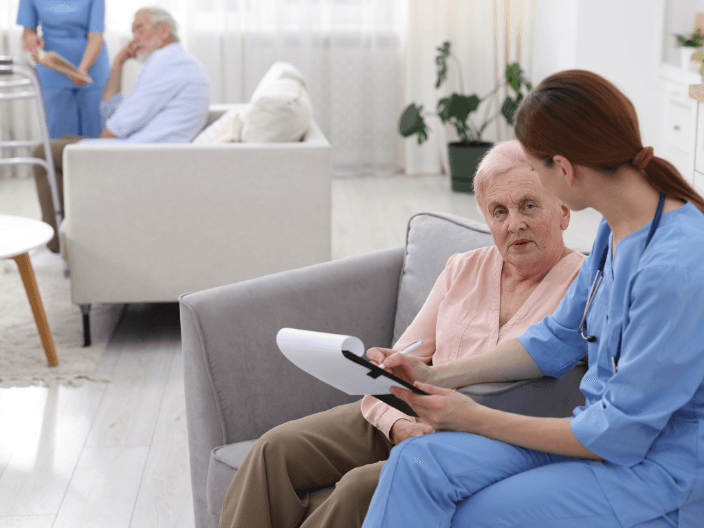
Good communication is one of the most important parts of quality care. Whether you are a family caregiver or a professional carer, the way you speak, listen, and respond can shape trust, comfort, and wellbeing.
For carers supporting older people, people with disability, or those living with dementia, strong communication can reduce confusion, ease anxiety, and help the person feel safe and respected.
Why Communication Matters in Caregiving
Care is not only about helping with tasks. It is also about connection.
When carers communicate clearly and compassionately, care recipients are more likely to feel understood and supported. This can improve cooperation, reduce stress, and strengthen the relationship between carer and care recipient.
Communication Is More Than Words
A well known quote from psychologist Albert Mehrabian is often misunderstood:
"80% of communication is non verbal."
His research was actually about how people interpret feelings when words and body language do not match. The takeaway for carers is simple: people notice not just what you say, but how you say it.
Your tone of voice, facial expression, eye contact, and body language all matter.
Practical Communication Tips for Carers
Use clear and simple language. Avoid jargon or long explanations. Short, direct sentences are easier to understand.
Speak calmly and reassuringly. A warm, steady tone can help reduce anxiety and build trust.
Pay attention to non verbal cues. Facial expressions, posture, silence, or fidgeting may signal discomfort, confusion, or distress.
Practise active listening. Nod, stay present, and allow time for the person to respond. Feeling heard matters.
Be patient. Some people need extra time to process information and respond, especially those living with dementia or communication difficulties.
Adapting to Different Communication Needs
Every person is different. Some may respond better to visual cues, written prompts, gestures, or communication aids.
Carers should adapt their approach based on the person's needs, preferences, and abilities. Person centred communication helps preserve dignity and independence.
Supporting Communication Barriers
If someone is living with dementia, hearing loss, or speech difficulties, try to:
- Reduce distractions
- Face them directly
- Use visual prompts where helpful
- Repeat or rephrase gently
- Respect personal space and comfort levels
Small changes can make a big difference.
Final Thoughts
Effective communication techniques for carers can improve trust, reduce misunderstandings, and support better care at home.
By using clear language, calm tone, active listening, and person centred communication, carers can create stronger, more supportive relationships with those in their care.
At Vitara CarePilot, we believe better care starts with better understanding.
About the author

Daniel Barreto
Co-Founder & CEO, Vitara CarePilot
Daniel Barreto is the co-founder of Vitara CarePilot and an experienced business transformation leader. He has spent more than a decade helping organisations including IAG, Allianz, Telstra and Commonwealth Bank deliver complex digital products and customer-centred operating models.
Ready to protect your loved one?
Book a free consultation to see how Vitara CarePilot works.
Call 0433 028 301